
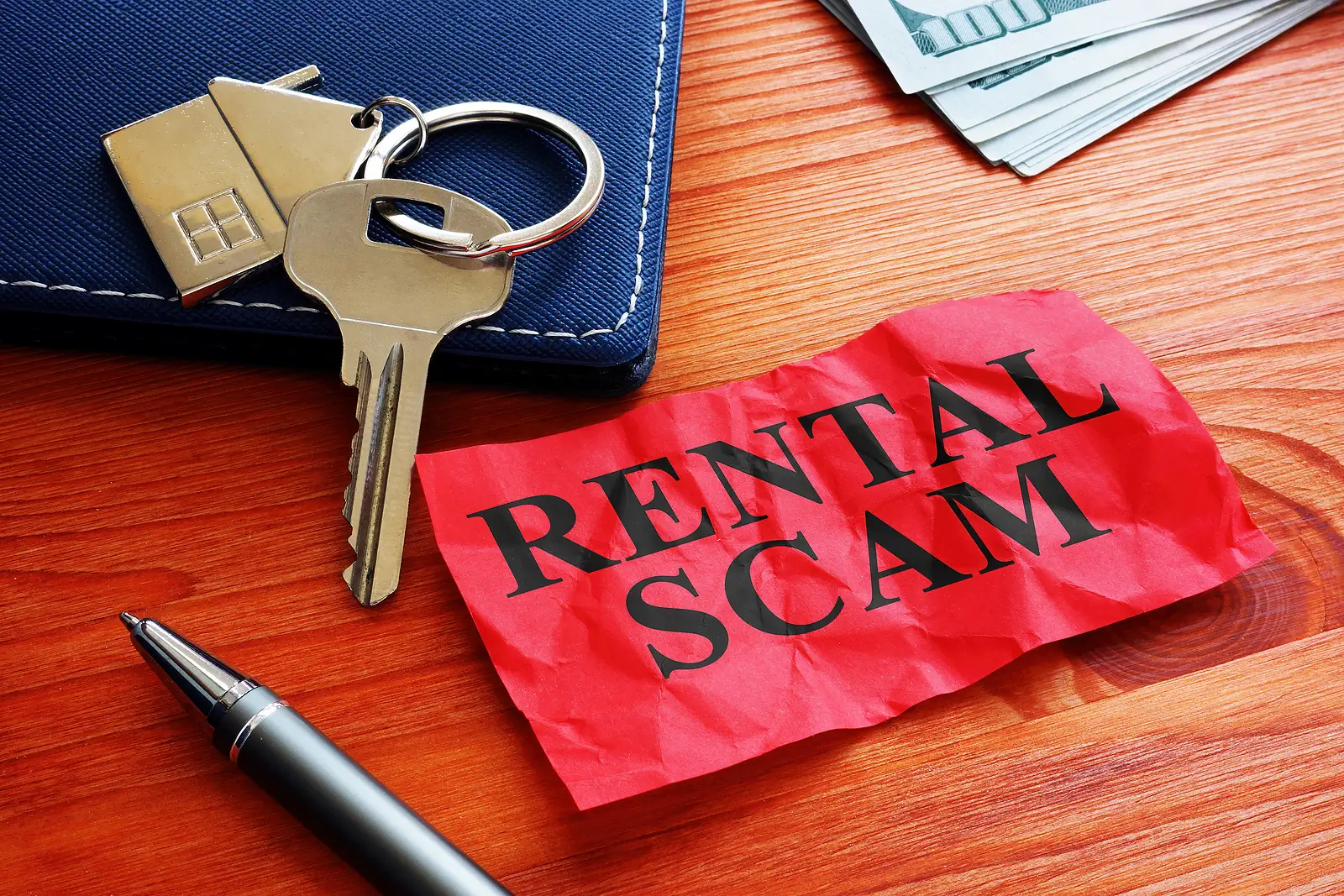
A single fake news story can circle the internet before fact-checkers even have a chance to respond. The scary part is not how fast misinformation spreads. It is how believable it looks.
The same thing is happening in today's rental market, where scammers have become experts at making lies look legitimate.
In Denver's competitive rental market, a scammer can create a convincing rental company profile, flash a professional business card, or pose as a property manager asking for wiring money before you have time to search public records or verify ownership.
By the time someone realizes the listing was fake and the payment request was fraudulent, the money is often long gone.
Knowing how to spot these warning signs can help you protect your rental property and avoid becoming the next victim of rental fraud.
Key Takeaways
Strong tenant screening helps you identify fraudulent applications before they become costly problems.
Verifying documents, income, and identity reduces your risk of rental fraud and financial loss.
Professional property management adds an extra layer of protection throughout the rental process.
Why Rental Fraud Is Becoming a Bigger Problem for Every Property Owner
Denver continues to attract new residents from across the country, driving strong demand for rental properties. Unfortunately, scammers often view high-demand markets as ideal environments for fraud.
As a property owner, you face growing risks from fake applications, identity theft, fraudulent listings, and financial scams that can disrupt your rental income and business operations.
How Scammers Target Rental Properties in Competitive Real Estate Markets
Scammers know that a fast-moving market can pressure landlords into making quick decisions. They often take advantage of limited vacancy periods and eager property owners.
Some fraudsters pose as tenants, while others create fake rental listings designed to steal money from unsuspecting renters. Both situations can damage your reputation and the performance of your rental property.
Understanding the Most Common Rental Scams in Denver
Rental fraud comes in many forms, and understanding common rental scams allows you to recognize suspicious activity earlier.
The more familiar you become with scam tactics, the easier it becomes to protect your property, your tenants, and your financial health.
Fake Listings and Fraudulent Listing Schemes
Rental listing scams often involve scammers copying legitimate rental listings and reposting them at attractive prices. These fake listing schemes frequently include stolen photos and inaccurate contact information.
A fraudulent listing can confuse prospective tenants and create unnecessary complications for legitimate landlords or property managers.
Rental Listing Scams That Trick Prospective Tenants Into Sending Money
Many scammers pressure renters into sending money before they can view the property in person. They often request payments for deposits, the first month's rent, or the application fee via wire transfer.
Once payment is sent, the scammer disappears, leaving victims with no apartment and no way to recover their money.
Why Some Rental Listings Look Too Good to Be True
Every experienced landlord knows that unusually low prices should raise questions. The same principle applies when reviewing rental listings online.
When a property appears significantly cheaper than similar Denver rentals, scammers may be using unrealistic pricing to attract attention quickly.
The Good to Be True Rental Property Trap
Watch for these warning signs:
Monthly rent is far below market rates
Luxury property photos with limited details
Refusal to schedule an in-person meeting
Requests for immediate payment
Unverified rental agent information
If something feels too good to be true, trust your instincts and verify every detail before moving forward.
Red Flags Every Landlord or Property Manager Should Watch For
Fraudulent applicants often leave clues throughout the rental process. Your ability to identify red flags can prevent major problems later.
A careful review of documents, communication habits, and financial information often reveals inconsistencies that deserve further investigation.
Warning Signs Hidden Inside Rental Applications
Pay close attention to recent pay stubs, employment records, and income documentation. Altered pay stubs and fake employment verification remain common tactics.
You should also compare application information against public records whenever possible to confirm accuracy.
Red Flags During the Rental Process
Watch for applicants who:
Refuse tenant screening
Avoid credit check authorization
Rush you to sign a lease
Provide inconsistent information
Resist identity verification
These behaviors often indicate potential rental fraud and deserve additional scrutiny.
How to Verify Applicants Before Approving a Lease
A thorough screening process remains one of the strongest defenses against rental scams and fraudulent applications.
Verifying information may take additional time, but it significantly reduces your exposure to costly mistakes.
Using Tenant Screening and Credit Check Procedures
Tenant screening helps you evaluate a tenant's financial health, rental history, and overall reliability. Credit reports often reveal important details that applicants may omit.
Establishing consistent screening criteria also protects you from making emotional or rushed decisions during the approval process.
Why Cross-Check Documents and Public Records
You should verify employment, income, and identification through independent sources.
Cross-check information using:
Public records
Employer verification
Previous landlord references
Credit reports
Government-issued identification
Verification helps uncover discrepancies before they become expensive problems.
Never Accept Payment Before Proper Verification
Payment scams remain among the most common causes of financial loss for landlords and tenants.
Fraudsters frequently exploit urgency to convince victims to act before verifying critical information.
The Risks of Wire Transfers, ACH Transfer Requests, and Sending Cash
Avoid accepting or sending cash when dealing with unfamiliar individuals. Wire transfers and ACH transfer requests can be difficult to reverse after fraud occurs.
Always establish secure payment procedures and verify the identity of everyone involved before requesting or accepting funds.
Why an In-Person Meeting Can Help Protect Your Property
Technology simplifies many parts of property management, but face-to-face interactions still provide valuable protection.
Meeting applicants in person gives you opportunities to verify identification and assess professionalism.
Meeting Potential Tenants and Viewing Property In Person
An in-person meeting allows you to compare application information with actual documentation. It also helps establish trust between landlords and tenants.
Property visits reduce opportunities for housing scams while creating a more transparent rental process.
How a Property Manager or Management Company Helps Prevent Rental Fraud
Professional oversight adds structure and consistency to every stage of leasing.
Experienced property managers understand scam patterns and use proven procedures to protect rental property owners from recurring threats.
Strengthening the Screening Process Through Professional Management
A management company typically conducts comprehensive tenant screening, verifies documents, reviews credit information, and follows standardized procedures designed to reduce fraud risks.
What to Do If You Discover Rental Fraud or Housing Scams
If you suspect fraud, document all communications, preserve records, and avoid further financial transactions until you verify the situation.
How to Report Rental Scams and Protect Others
Report rental scams to your local law enforcement agency and the Federal Trade Commission. Prompt reporting helps authorities identify patterns and prevent others from falling victim to the same scam.
Frequently Asked Questions
Q1. Can scammers fake landlord references?
Yes. Some applicants ask a family member or trusted friend to pose as a previous landlord, making independent verification essential.
Q2. Should you charge an application fee before screening?
You should only collect an application fee after clearly explaining your screening process and complying with applicable laws.
Q3. How often should you update your screening criteria?
Review your screening criteria regularly to adapt to evolving fraud tactics and market conditions.
Your Investment Deserves More Than Luck
Laureate LTD believes that protecting your rental property should never depend on chance. Every lease, every applicant, and every payment deserves careful attention because one overlooked detail can create months of unnecessary stress.
That is why we provide professional tenant screening, credit checks, income verification, leasing support, rent collection, property inspections, and full-service property management designed to protect both your investment and your peace of mind.
If you want a trusted partner who can help you avoid rental fraud and maximize your property's potential, we would be honored to help you build a safer, more profitable future in Denver's real estate market.
Other Resources:
Strategic Upgrades That Deliver Real ROI for Denver Landlords
What Is the Three-Color Rule in Interior Design for Rental Properties?